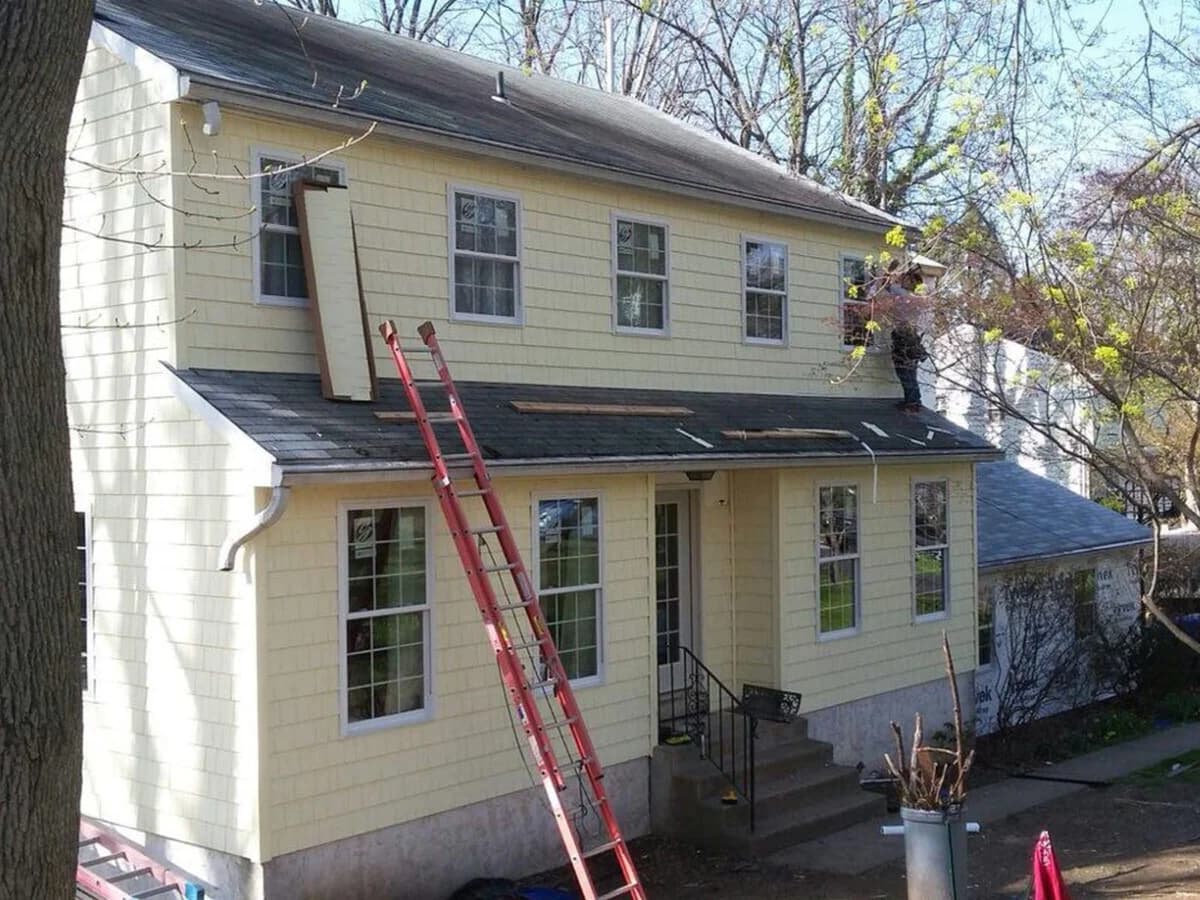
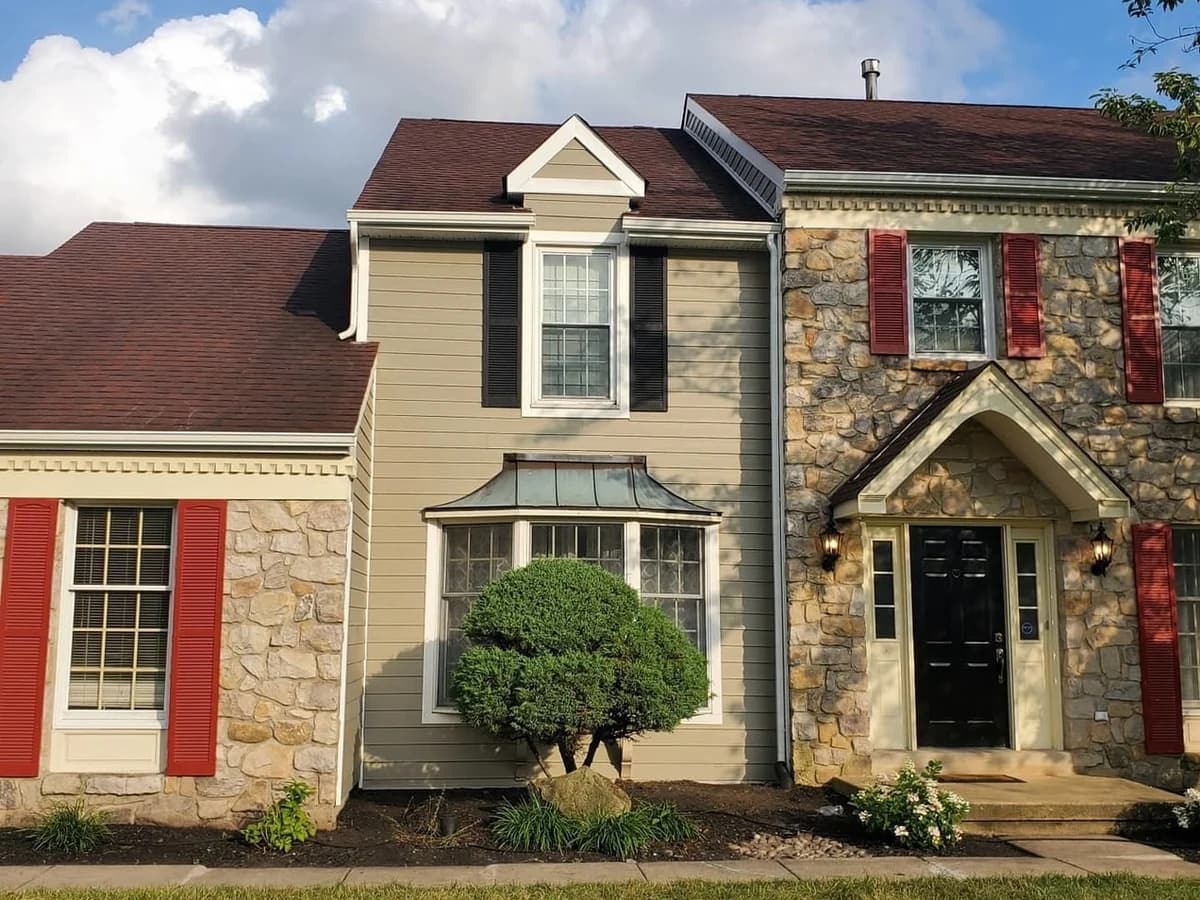
Lower maintenance projects and homeowners who want strong value, color choice, and familiar lap siding profiles.
Vinyl siding
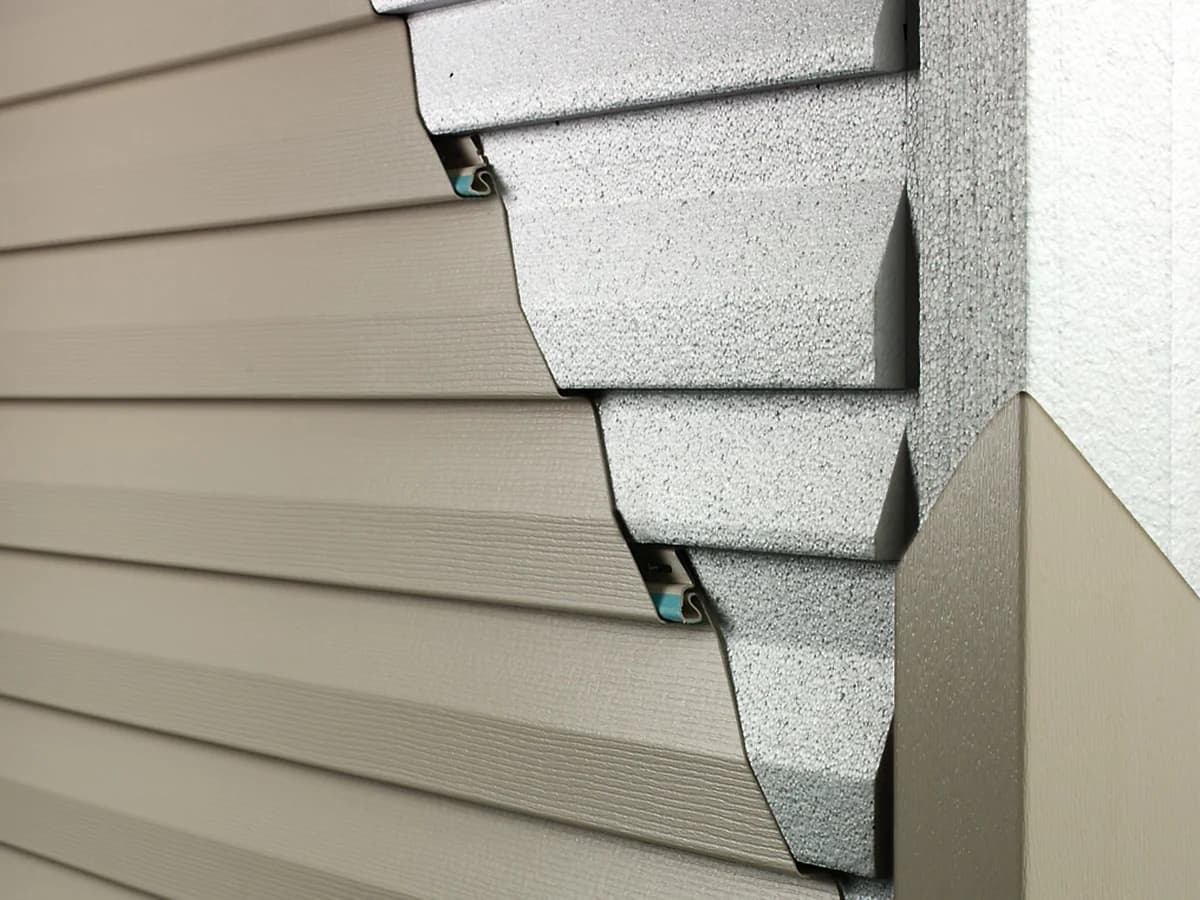
Vinyl is one of the most common siding choices because it keeps the price practical, does not need painting, and comes in a wide range of profiles. Better vinyl lines add stronger panel design, deeper shadow lines, richer low-gloss texture, darker color technology, and matching accessories for a more finished exterior.
Good points
- Lower maintenance than painted wood
- Many colors, profiles, trim pieces, and accessories
- Good value for full-house projects
- Color-through panels do not need regular repainting
Worth knowing
- Can crack if hit hard, especially in cold weather
- Can warp near grills, reflected heat, or other high-heat areas
- Needs proper fastening clearance for expansion and contraction
Profiles
- Double 4, double 4.5, and double 5 clapboard
- Dutch lap for deeper shadow lines
- Vertical and beaded profiles for accent areas
- Longer panels on select product lines to reduce seams
Performance
Important specs include panel thickness, nail hem design, wind-load testing, color warranty, and whether the color is approved for the home's sun exposure.
System pieces
A vinyl quote should include starter strip, J-channel, utility trim, outside corners, vents, mounting blocks, lineals, and trim coil where needed.
Care
Wash with mild soap and water. Keep high heat away from panels and avoid pressure washing too close to laps, seams, and weep holes.